
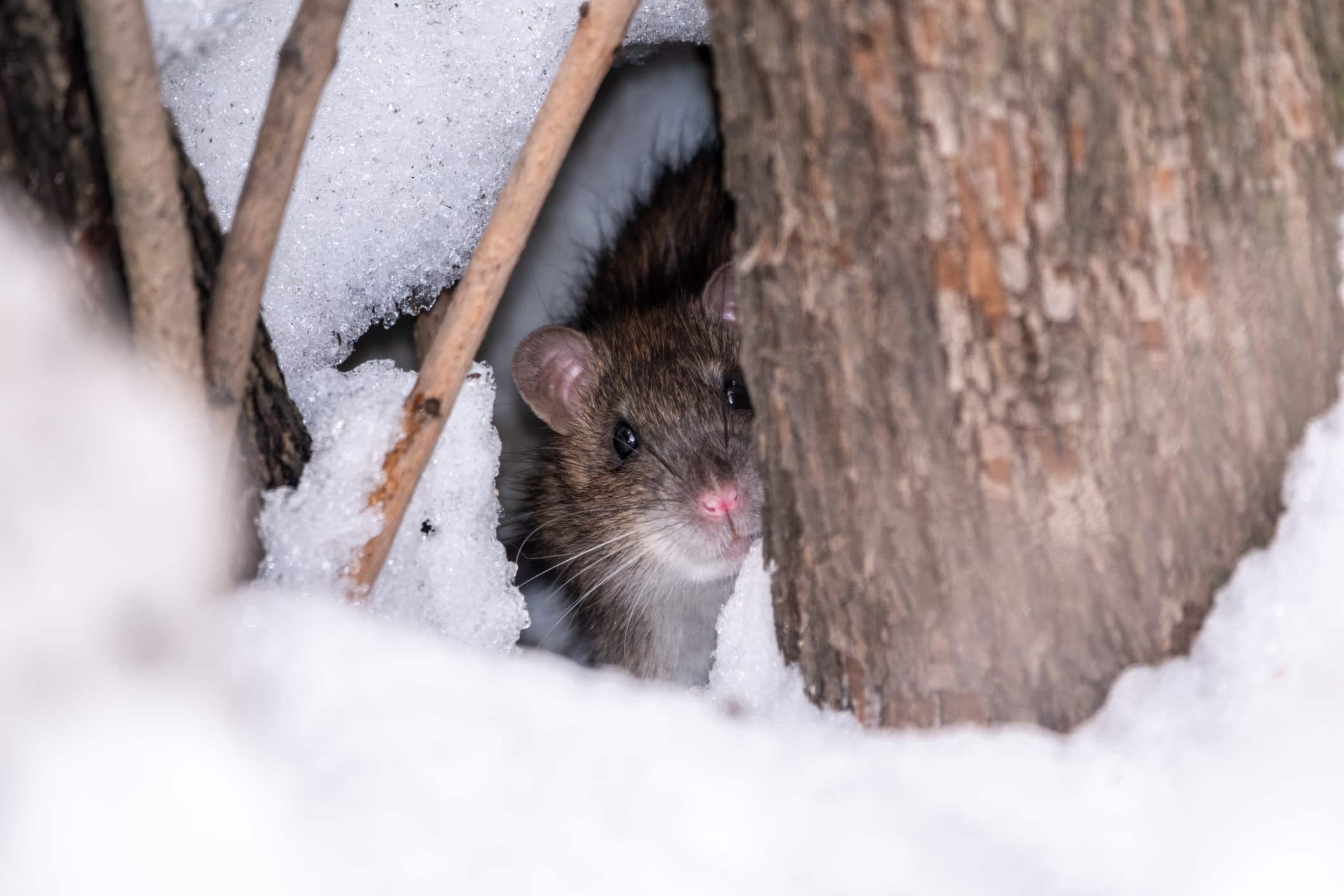
Metuchen moves through its fall and winter months with crisp days and colder nights. Residents prepare homes for cooler weather, but rodents begin their own preparation. Mice and rats shift into survival mode once they sense the seasonal change. Sadly, this shift can create a surge of rodent issues across neighborhoods. Thankfully, homeowners can always contact a Metuchen exterminator if they need help with rodents. Experts can come right away, equipped with tools and experience to ensure rodents do not come back. Here’s why homeowners in Metuchen may experience rodent issues during fall and winter:
Cold Weather Drives Rodents Indoors
Rodents need warmth to survive. Metuchen’s dense residential layout gives rodents plenty of choices. Homes with older foundations or gaps around vents and pipes offer access. Rodents search for constant warmth when night temperatures begin to drop. They may feel comfortable within walls or in the attic and basement.
Food Becomes Scarce as Seasons Change
Spring and summer offer rodents many food sources. Gardens produce fresh growth during these seasons. Also, outdoor grills and patios hold crumbs. Compost piles and trash cans provide dependable scraps. But most of these food sources may vanish when fall arrives.
Rodents forage closer to homes as natural food supplies dry up. They may be drawn to trash bins, bird feeders, and outdoor pet bowls. Things get more intense in the winter. Snow covers natural food, and plants go dormant. With little left outdoors, rodents rely on indoor kitchens, pantries, crumbs under appliances, or pet food stored in quiet corners.
Homes Offer Ideal Shelter for Rodents
The older homes and newer construction in Metuchen can have entry routes for rodents. These pests can push through gaps the size of a coin. They climb siding, pipes, and shrubs to reach higher access points. They chew through soft materials, worn weatherstripping, or aging insulation.
Fall and winter also bring fewer outdoor disturbances. Lawn work slows down, and backyard activity drops. These quiet conditions make homes attractive hiding spots for rodents seeking long-term shelter.
Heat, Moisture, and Quiet Rooms Draw Rodents Inside
Rodents prefer areas where they can survive without frequent movement. Warmth is the top attraction, but moisture is also an attractant. Laundry rooms, bathrooms, and basements may hold humidity that keeps rodents comfortable. Condensation from pipes or appliances supplies water that mice and rats rarely find outdoors in cold months.
Also, rodents look for quiet spaces. Storage rooms, crawl spaces, and attic corners limit exposure to noise and foot traffic. Rodents choose these spots because they can build nests and raise young with little disturbance.
Rodents Reproduce Indoors During Cold Months
Rodents that settle inside Metuchen homes may find ideal conditions for growth. Warmth helps pups survive. Food inside the home supports the adult population. Lack of predators gives rodents freedom to reproduce without interruption.
A few mice in October can turn into dozens by February. Rats follow similar patterns. Cold weather slows outdoor reproduction, but indoor conditions allow it to continue unchecked. This is why early intervention is important.
Entry Points Grow During Fall Weather
Fall weather creates unique opportunities for rodents to enter homes. Building materials expand and contract as temperatures swing. Heavy fall rains also create erosion around foundations, revealing more entry points. Leaves clog gutters and push moisture against siding, softening materials and creating chewable surfaces. Branches droop closer to roofs, giving rodents direct access to attic openings.
Human Behavior in Fall and Winter Encourages Rodent Activity
People spend more time indoors and less time monitoring yards, garages, and sheds as cold weather arrives. Long periods of silence outdoors make it easier for rodents to explore and search for openings.
Fall holidays and winter gatherings can introduce extra food waste, crumbs, and leftovers. Rodents detect these scents quickly. Homes also accumulate more clutter during winter. Rodents take advantage of these conditions and settle in without being detected.