
Birds can add beauty to yards with morning calls and flashes of color. However, their presence can become a problem in some situations. Certain species create noise and can damage roofs. Others can scatter droppings and pose health concerns. This is the reason people in Missouri should know when bird activity crosses the line. This can help them take the right bird control near me and protect their property. Here’s when you may need to take action against birds:
When Nesting Spots Move Too Close to Your Home
Spring in Missouri brings many birds back to neighborhoods, and nest building begins fast. A nest tucked into a tree may not cause issues, but the situation can change if birds choose roof edges, vents, porch beams, or gaps under solar panels. These nests block airflow, create fire hazards, and trap moisture. Some species shred insulation or bring in piles of dry material that weaken building surfaces. The risk grows when birds decide to nest in your gutters or vents. Removing an active nest without care can violate wildlife rules, so focus on prevention. Block common entry zones, add screens, and trim branches that touch the home.
When Droppings Build Up in High-Traffic Areas
In large amounts, bird droppings can stain patios, damage car paint, corrode metal, and soak into roofing materials. Humidity in Missouri can amplify the problem, since droppings break.
Beyond the mess, droppings can carry health risks when dry particles turn airborne. Families that host outdoor gatherings or spend time grilling during warmer months may find the environment less pleasant due to constant cleanup.
When Noise Disrupts Daily Routines
Bird calls are part of Missouri’s seasonal appeal, but some species create nonstop noise during sunrise, nesting season, or while guarding territory. Large groups roosting in trees near bedrooms or windows can disrupt sleep. Woodpeckers can contribute to the issue when they drum on siding or metal gutter sections.
When Birds Damage Roofs or Eaves
Missouri homes may draw species that peck, scratch, or wedge themselves beneath panels. Woodpeckers search for insects beneath surfaces, while other birds tug on roof edges to expand nesting spots.
This activity can weaken shingles, widen gaps, and expose insulation over time. Water then slips into your home during storms, which leads to mold and structural rot. Once birds target your roof, the problem may persist until the area loses its appeal or a proper exclusion measure takes place.
When Large Flocks Take Over Your Yard
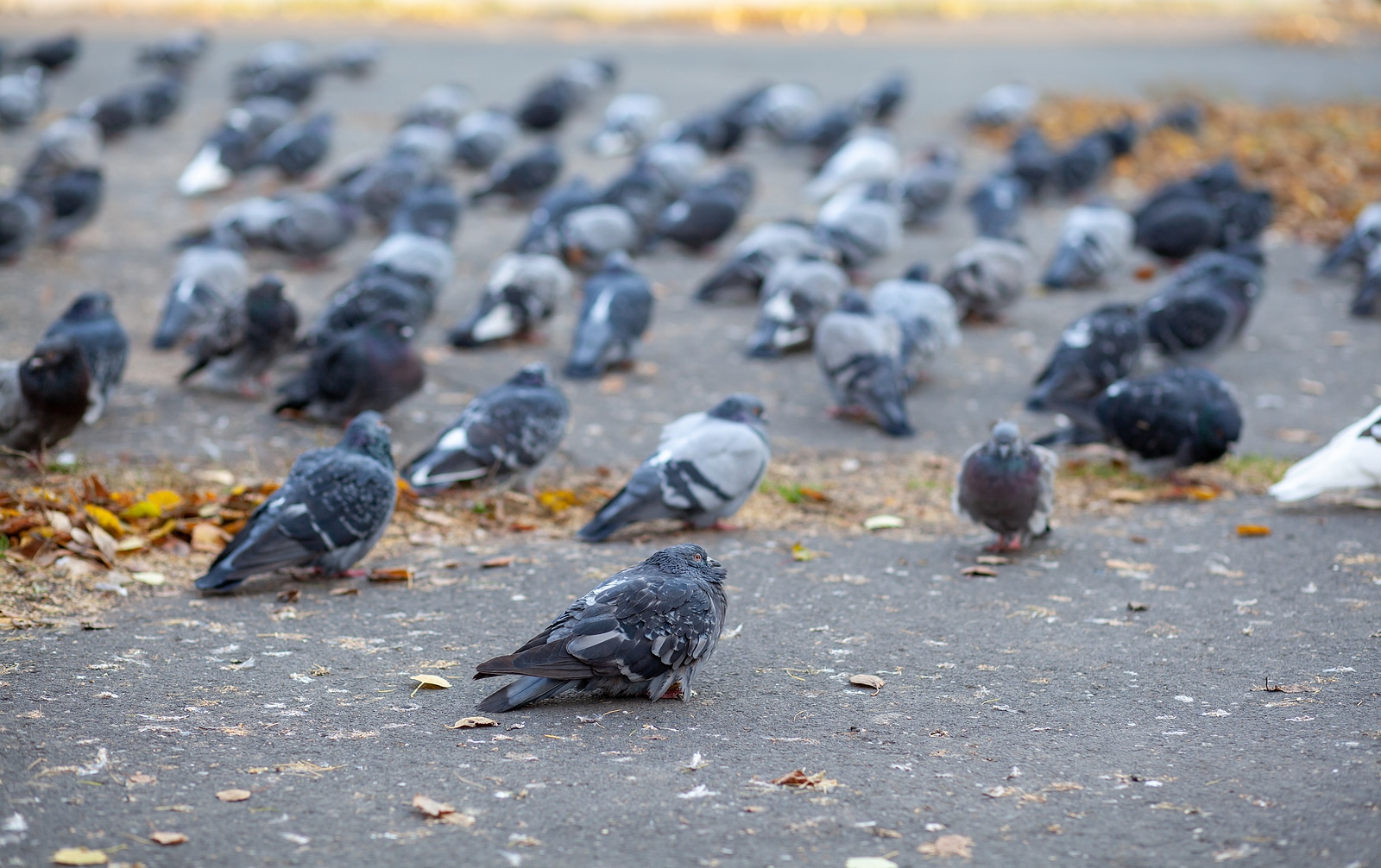
Missouri properties may attract flocks of starlings, pigeons, geese, or grackles. A group of three or four birds may not present issues, but large flocks create noise, droppings, and heavy pressure on lawns.
Geese can graze aggressively and leave trails across grass. Starlings flock in huge numbers, filling trees and coating outdoor areas with droppings. Pigeons occupy roof peaks and solar panels, turning peaceful spaces into messy, crowded zones.
When flock numbers grow, the volume of droppings rises at the same time. This accelerates damage to outdoor furniture, walkways, and siding. It also increases your weekly yard maintenance.
When Birds Enter Attics or Sheds
Any bird inside an attic, garage, or shed introduces new concerns. Feathers, droppings, nesting materials, and insects that thrive in bird debris spread fast in closed spaces. Birds may slip in through soffit gaps, damaged vents, or broken screens. They nest in insulation, create noise that echoes through the home, and leave debris that attracts mites or beetles. If the birds raise young indoors, activity increases until the young fly out.
When Feeders Draw the Wrong Birds
Bird feeders bring joy to many Missouri households, especially those that enjoy watching cardinals, blue jays, and finches. But feeders sometimes attract more aggressive species that chase away smaller birds, create heavy seed scatter, or monopolize feeding stations.
Starlings, grackles, pigeons, and house sparrows may gather once the seed becomes plentiful. They arrive in groups, crowd the feeder, and drop seed all over the ground. This leftover seed attracts rodents along with more birds, which worsens the issue over time.