
Key Takeaways
- Different seasons create different pest pressures, from winter rodents to summer mosquitoes.
- Routine repairs, cleaning, and moisture control are the foundation of prevention.
- Repeated sightings, fresh damage, or pests in several rooms can signal a larger issue.
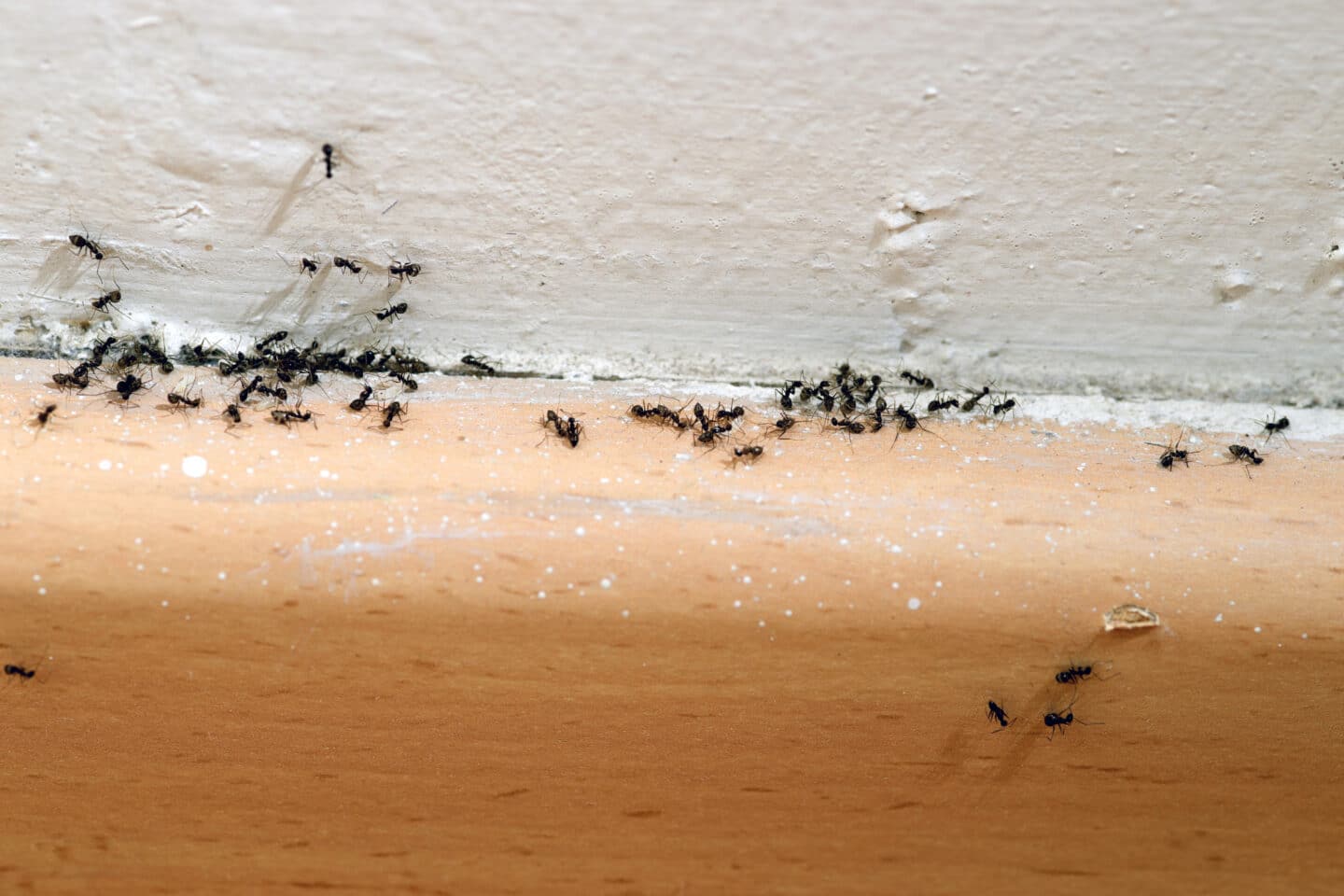
Preventing pests is usually easier than dealing with a full infestation. A seasonal routine helps homeowners spot moisture, food sources, clutter, and entry points before they become bigger problems. For homeowners who need help identifying persistent activity or building a prevention plan, Pointe Pest Control can be part of the conversation. The goal is not to react to every insect or spider that appears. Instead, make your home less accessible and less comfortable for pests by blocking entry, removing attractants, reducing shelter, and watching for early signs of activity.
Why Seasonal Prevention Works
Pests respond to the conditions around them. Temperature changes can push rodents indoors, rain can create breeding grounds for mosquitoes, and accessible food can attract ants, flies, and cockroaches. A year-round plan addresses changing conditions rather than relying on a single cleanup or treatment. Small repairs and regular inspections also help catch activity before pests have time to feed, nest, or reproduce.
Winter: Seal Gaps And Remove Shelter
Cold weather encourages mice and other pests to seek warm, protected indoor spaces. Begin with a close inspection of door sweeps, garage doors, window frames, vents, and utility openings. Seal cracks around pipes, wiring, foundations, and siding. Store birdseed, pet food, cereal, and dry pantry goods in durable sealed containers. Keep firewood, cardboard, and unused materials away from exterior walls. Check attics, basements, crawl spaces, and storage rooms for droppings, gnawed packaging, damaged insulation, or musty odors. Repair plumbing leaks and improve ventilation where dampness persists.
Spring: Check For New Activity
Spring is a useful time for the first detailed outdoor inspection of the year. As temperatures rise, ants, flies, spiders, wasps, and wood-damaging insects can become more noticeable. Walk around the foundation and inspect for gaps, torn screens, damaged caulk, or areas where soil and mulch are piled too high against the siding.
- Clean gutters and make sure downspouts direct water away from the home.
- Trim branches and shrubs that touch windows, siding, or rooflines.
- Remove leaf piles, fallen branches, and damp yard debris.
- Inspect decks, sheds, fences, and woodpiles for nests or visible damage.
- Watch kitchens and pantries for recurring ant trails.
One pest sighting does not always mean an infestation. Repeated ant trails, fresh droppings in more than one area, several damaged plants, or the same pest appearing daily are stronger signs that conditions are supporting ongoing activity.
Summer: Reduce Water And Food Sources
Warm, humid weather supports mosquitoes, flies, ants, fleas, ticks, and stinging insects. Empty and scrub water-holding items each week, including buckets, toys, plant saucers, birdbaths, and outdoor containers. The steps for preventing mosquito bites also emphasize repairing window screens, wearing protective clothing, and using EPA-registered repellents as directed. Clean grills, patio tables, and trash containers after outdoor meals. Avoid leaving pet food outside overnight, and keep vegetation trimmed near patios, entrances, and play areas. Inspect eaves, sheds, railings, and playsets for wasp or hornet nests, particularly before mowing or using outdoor spaces.
Fall: Stop Pests Before They Move Indoors
As temperatures drop, rodents, stink bugs, cluster flies, and other overwintering pests may look for sheltered spaces. Replace worn weather stripping, repair damaged door sweeps, and seal openings around foundations, roofs, utility lines, and exterior fixtures. Move stored items away from garage and basement walls so signs of activity are easier to see. Keep firewood raised and several feet from the house when possible. Remove fallen fruit, garden waste, and excess mulch near the foundation. Before bringing in holiday decorations, boxes, or stored clothing, inspect them for insects, droppings, webbing, or nesting material.
Use A Practical Pest Management System
Integrated pest management, often called IPM, is a practical approach that focuses on inspection and prevention rather than automatic pesticide use. The EPA’s integrated pest management principles explain how monitoring, accurate identification, prevention, and lower-risk controls can guide better decisions.
- Inspect: Look for pests, moisture, food sources, damage, and entry points.
- Identify: Confirm what pest is present before choosing a response.
- Remove attractants: Fix leaks, clean spills, secure food, and manage trash.
- Block access: Repair screens, seals, vents, and cracks.
- Monitor: Track sightings with notes, photos, or appropriate traps.
- Treat carefully: Follow product labels exactly and avoid unnecessary indoor spraying.
Room-By-Room Prevention Checklist
Kitchen And Bathroom
- Wipe crumbs and spills quickly, including beneath small appliances.
- Store pantry staples, snacks, and pet food in sealed containers.
- Repair dripping faucets and check beneath sinks for slow leaks.
- Use bathroom fans to reduce lingering moisture.
Basement, Attic, And Garage
- Reduce clutter, especially cardboard boxes and fabric piles.
- Look for nests, droppings, moisture, and damaged insulation.
- Keep seed, food, and household products in sealed containers.
- Check vents, windows, foundation walls, and garage door seals.
When To Call A Pest Professional
Household prevention may not be enough when activity persists after basic repairs, pests appear in multiple rooms, rodents enter hidden areas, or stinging insects pose a safety risk. Before hiring help, ask what pest was identified, what conditions are causing the problem, which products may be used, and what follow-up monitoring is included. Also, ask how to protect children, pets, food, and personal items.
Common Questions About Home Pest Prevention
How Often Should A Home Be Checked For Pests?
Do a quick walk-through each month and a more detailed inspection at the beginning of every season.
Does A Clean Home Still Attract Pests?
Yes. Cleanliness helps, but pests can still enter through gaps, moisture problems, landscaping, clutter, or nearby nests.
What Is The First Step After Seeing A Pest?
Take a photo if possible, note the location and time, then check nearby food, water, and hiding places for additional signs.
Are Store-Bought Pesticides Always Necessary?
No. Many problems improve when entry points, water sources, food access, and shelter are addressed first. If a product is used, follow the label and never mix chemicals.
Can Seasonal Prevention Stop Every Infestation?
Prevention lowers risk, but it cannot guarantee a pest-free home. Weather, building conditions, neighboring properties, and local pest pressure all matter. Consistent monthly checks and seasonal maintenance remain the best way to keep small issues from becoming larger ones.
Conclusion
Seasonal pest prevention gives homeowners a practical way to stay ahead of changing pest activity throughout the year. By sealing gaps, controlling moisture, securing food, reducing clutter, and maintaining outdoor areas, many common attractants can be addressed before they lead to larger problems. Regular inspections also make it easier to notice early repeated sightings, fresh damage, nests, or droppings. When pest activity persists despite basic prevention measures or occurs in multiple areas of the home, a professional assessment can help identify the source and determine an appropriate response. A consistent routine does not guarantee a pest-free home, but it can reduce risks and make emerging concerns easier to manage.