
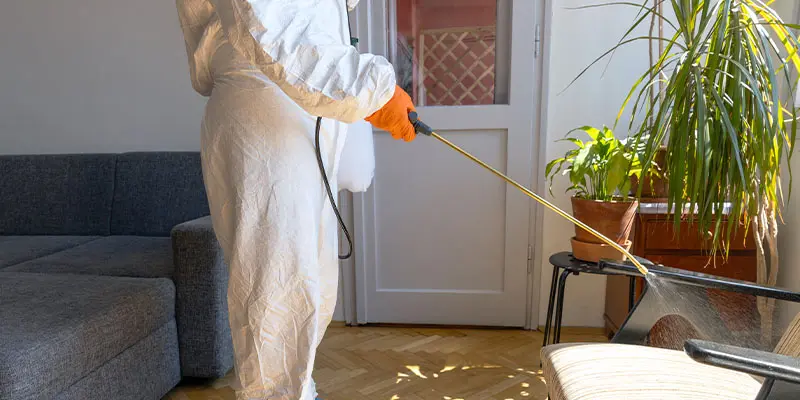
Portland is located at the northern end of the Willamette Valley and sits at the confluence of two rivers: the Willamette and the Columbia. Being the largest city in the state, it has urban density, but there are also large natural reserves like Forest Park. Expectedly, pest problems aren’t rare here. From older neighborhoods like Ladd’s Addition and Irvington that are prone to rats and mice to homes in St. Johns, almost every area has reported infestations. If you are concerned about infestations, consider these steps.
- Schedule Regular Checks: Call the team at Pointepest.com to get your home checked for unknown pest issues in each season. The Pointe technicians have been working in Portland for years and specialize in neighborhood infestations. If they find early signs, they will take necessary action, which can help reduce the frequency of sightings.
- Manage Moisture: You should have gutters cleaned at least twice a year, especially in November when there is heavy leaf fall. Clogged gutters help insects and ants thrive. It is also important to check downspouts, and if needed, you should extend them at least 3 to 5 feet away from the foundation. In neighborhoods like Sellwood, subterranean termites and silverfish are active because of saturated soil.
- Focus of Sealing: While you should seal all visible access points, such as cracks and holes, don’t make the mistake of using caulk or foam. These materials damage quickly, and it wouldn’t take long for rodents, subterranean termites, and ants to return. Get exterminators to complete exclusion, as they will use copper mesh or galvanized steel wool. Also, ask the team to check the door sweep and discuss how you can block species of spiders and beetles.
- Landscape Changes: First, ensure all tree branches are at least 6 to 10 feet away from the main building. In neighborhoods like West Hills, hanging branches work as direct highways for roof rats and squirrels. Also, ensure firewood is stored at least 15 feet away from your home, and if possible, the stock should be above the ground. Firewood is favored by pests like beetles and carpenter ants. Once every two months, you should also get rid of debris in the yard.
- Reduce Food Sources: Avoid leaving pet food outdoors or in paper bags, and if you have bird feeders, those should be away from the house. Birdseed can attract rats, which can become an indoor problem in no time. Check your compost bins as the lids must be tight and secure to avoid access for rodents. Inside your home, manage food waste with care, and that includes cleaning counters after cooking to remove all crumbs. Pests need food to survive inside the house, and if you can counter that, the risk of infestations is lower.
- Choose the Right Team: Work with an exterminator who knows and sticks to IPM. Technicians will not just treat visible problems and sudden issues but also consider treatment in each quarter. Given the heavy rain and weather in Portland, the barrier can degrade sooner, and you need professionals who can refresh it periodically.
- Avoid DIY: Many homeowners assume that pests will vanish with DIY sprays and other local store products, but that approach often worsens the situation. Ant colonies often split because of repellents, and that spreads the infestation to new areas. Professionals often use products that ants cannot smell and will take back to the queen. Even for termites, professionals use options like the Sentricon® System that can stop these pests before they damage wood.
Final word
From the river valley moisture to closeness to forest areas, there are many factors behind infestations in this part of Oregon. You need to focus on regular and seasonal pest control in Portland for lasting relief. With the right partner, you will learn more about neighborhood concerns, local pest cycles, and how you can do better.